






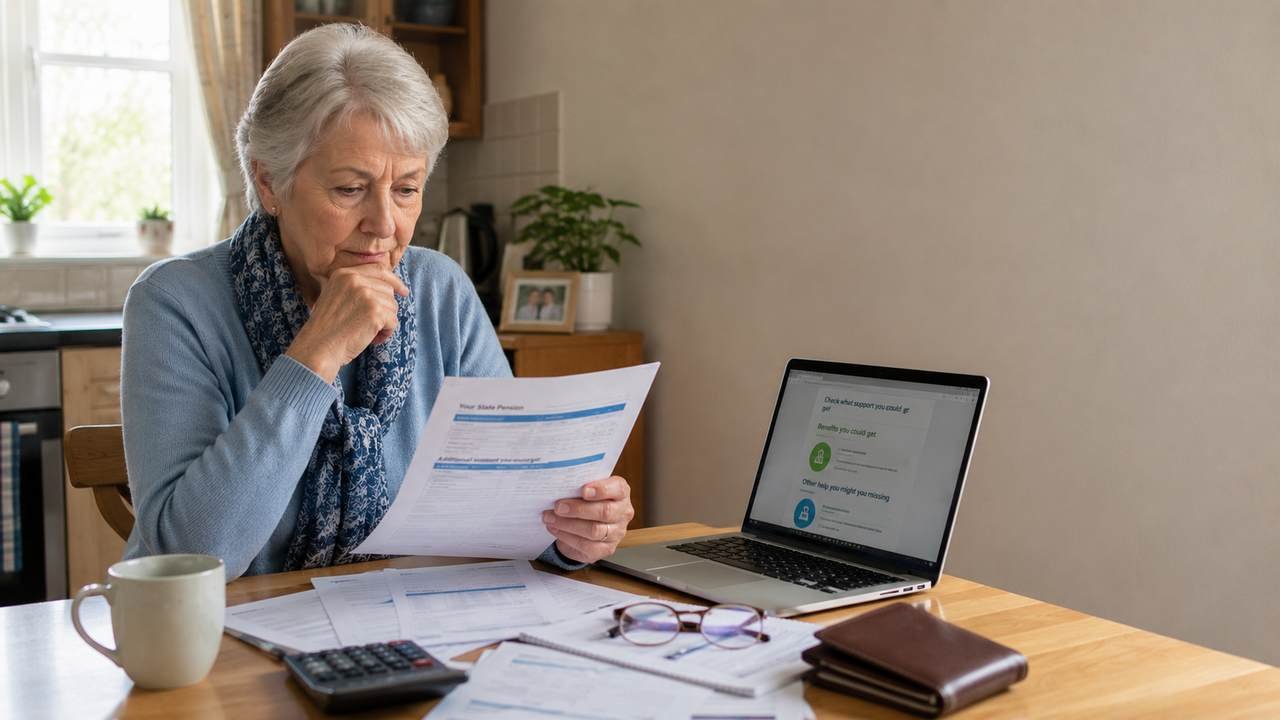
For many people, retirement brings a quieter life. The children have moved out, the daily commute is over, and the house feels very different from the busy family home it once was. But living alone also means every bill lands on one person’s doorstep. Heating, food, Council Tax and everyday essentials all come from the same monthly income.
That’s why many charities and welfare advisers continue to urge pensioners to check whether they’re receiving all the support available to them. Every year, thousands of older people miss out on benefits because they assume they won’t qualify or simply don’t realise extra help exists.
If you receive the State Pension and live on your own, you could be overlooking support worth up to £4,300 a year, depending on your personal circumstances. It isn’t a single payment, but the combined value of benefits and discounts that some pensioners are entitled to claim.
Why many pensioners never claim extra support
One of the biggest reasons people miss out is because they believe the State Pension is the only financial help available after retirement.
Others think having a small private pension or a few savings automatically rules them out. Some have never claimed a benefit before and assume the process will be too complicated.
In reality, each benefit has its own eligibility rules. While some are based on income, others depend on your health, disability or living arrangements.
That means many people who think they don’t qualify could actually be entitled to additional support.
What does the £4,300 figure mean?
The headline figure is not a new DWP payment that automatically lands in your bank account.
Instead, it reflects the potential value of different forms of financial support that could be available to some pensioners over the course of a year.
The exact amount depends on your circumstances, but it may include a combination of:
- Pension Credit
- Attendance Allowance
- Council Tax Reduction
- Housing support for eligible claimants
- Help with energy bills and other seasonal schemes
Some people may qualify for one form of support, while others could be entitled to several.
Pension Credit is still widely overlooked
Despite repeated awareness campaigns, Pension Credit remains one of the most underclaimed benefits in the UK.
Many pensioners wrongly believe they earn too much to qualify. Others assume that receiving the State Pension means they are no longer eligible.
However, Pension Credit is designed to top up the income of people on lower incomes. Even a small award can unlock access to other forms of support, making it far more valuable than many people realise.
This is why advisers often encourage pensioners to check their entitlement, even if they think they won’t qualify.
Living alone can make a difference
Your household circumstances play an important role when benefits are assessed.
Someone living alone may qualify for help that isn’t available in the same way to larger households. For example, single-person Council Tax discounts can reduce household costs, while income-related support is assessed differently depending on who lives at the property.
If you’ve recently become widowed or your living arrangements have changed, it’s worth checking whether your entitlement has changed too.
Health conditions could open the door to extra support
Many older people live with arthritis, heart disease, breathing difficulties or other long-term conditions but never consider claiming disability-related benefits.
One reason is the mistaken belief that you need a full-time carer before you can receive help.
In fact, benefits such as Attendance Allowance look at the help you need, not whether someone is already providing it.
If you struggle with everyday tasks such as washing, dressing, preparing meals or staying safe around the home because of your health, you may be entitled to additional support.
Owning your home doesn’t automatically stop you claiming
Another common myth is that homeowners cannot receive benefits.
While some schemes take income and savings into account, owning your home does not automatically prevent you from qualifying.
Every benefit is assessed differently, so it’s always worth checking the rules instead of assuming you’re not eligible.
Many homeowners are surprised to discover they can still receive financial help.
Small changes can affect your entitlement
Life doesn’t stand still after retirement.
Your health may change, household bills may rise or your income may fall. Any of these changes could affect the support you’re entitled to receive.
Even if you checked your eligibility a few years ago and didn’t qualify, your circumstances today may be very different.
Reviewing your entitlement every so often is one of the simplest ways to make sure you’re not missing out.
How to check what you’re entitled to
If you’re unsure where to start, take a look at your current income, the benefits you’re already receiving and any recent changes in your circumstances.
Think about whether:
- You live alone.
- Your health has worsened.
- Your income has fallen.
- Your household costs have increased.
These factors may affect what support is available.
If you’re uncertain, organisations that specialise in benefits advice can help explain the rules and guide you through the process.
Why this matters now
Many pensioners continue to feel the pressure of rising living costs. Although inflation has eased, everyday expenses remain significantly higher than they were a few years ago.
Extra financial support won’t solve every problem, but it can make managing monthly bills much easier. For someone living on a fixed income, even a modest increase can provide valuable peace of mind.
That’s why checking your entitlement is worth the effort, especially if you’ve never done it before.
Final thoughts
Living alone doesn’t automatically mean you’ll receive extra DWP support, but it does mean you shouldn’t assume the State Pension is the only help available. The widely quoted £4,300 represents the potential combined value of several benefits and discounts, not a guaranteed payment for every pensioner.
If your circumstances have changed, your income is limited or you’re living with a long-term health condition, now could be the right time to review what support you may be entitled to. A simple benefits check could uncover financial help that makes a real difference throughout the year.