





For many retirees, receiving the State Pension is a routine part of managing monthly finances. Once the payment arrives, most people assume everything has been calculated correctly and that there is little else they need to do. However, tax experts say that assumption can sometimes prove costly.
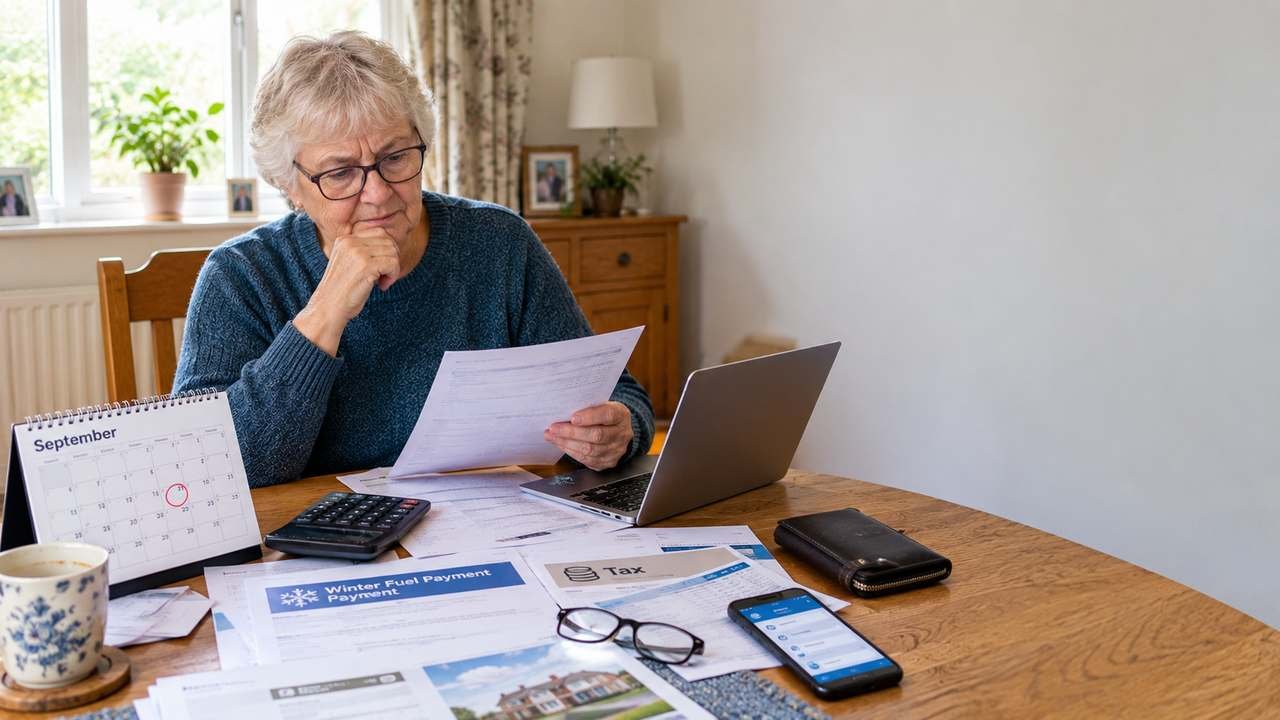
As September gets underway, some pensioners are being encouraged to check their tax records after warnings that failing to deal with HM Revenue & Customs (HMRC) correspondence or incorrect tax information could leave them with an unexpected tax bill. In some situations, the amount owed could reach around £300, although the exact figure depends entirely on each person’s circumstances.
The warning is not aimed at every State Pension recipient, but it serves as a reminder that retirement does not automatically mean the end of income tax responsibilities.
Why is September an important month?
September is often when many pensioners receive updated information about their tax code or correspondence relating to changes in their taxable income. If HMRC identifies that too little tax has been paid earlier in the tax year, it may contact affected individuals to explain what needs to happen next.
Ignoring those letters or delaying a response could mean any underpaid tax remains outstanding, resulting in an adjustment later.
While some people assume these notices are routine paperwork, they can contain important information that affects future pension payments or tax deductions.
Where could the £300 charge come from?
Despite some eye-catching headlines, there is no new £300 fee being introduced for pensioners.
Instead, the figure reflects the amount that some people could owe if they have underpaid income tax. This can happen for several reasons, such as:
- Receiving income from more than one pension.
- Starting to draw a private pension during the tax year.
- Continuing to work after reaching State Pension age.
- Having an incorrect tax code.
- Failing to report changes in income.
For some retirees, the amount owed may be much lower. Others may not owe anything at all.
Why the State Pension can affect tax
One point that often surprises people is that the State Pension counts as taxable income, even though tax is not usually deducted before it is paid.
If you receive only the State Pension and your total income stays below the Personal Allowance, you may not pay any income tax. However, many pensioners also receive workplace pensions, private pensions or other income.
When these amounts are added together, they can push total taxable income above the tax-free threshold.
If HMRC does not have the correct information, the wrong amount of tax could be collected during the year.
Who should pay particular attention?
The warning is especially relevant for pensioners who have experienced changes to their finances recently.
You may want to review your tax position if you have:
- Started receiving a workplace or private pension.
- Taken money from a pension pot.
- Returned to work after retiring.
- Begun receiving rental income.
- Seen your pension income increase.
- Received a letter from HMRC asking for information.
Even small changes can affect how much tax should be paid.
Checking your records could prevent problems
Many tax issues arise because outdated information remains on HMRC’s records.
A quick review of your tax code and income details can help identify mistakes before they turn into larger problems. If something looks incorrect, contacting HMRC sooner rather than later may prevent a bigger adjustment at the end of the tax year.
Keeping copies of pension statements and checking that all income sources are recorded accurately can also make resolving any issues much easier.
Don’t panic if you receive a letter
Receiving correspondence from HMRC does not automatically mean you have done something wrong.
In many cases, the department simply needs updated information or wants to explain an adjustment to your tax code. Responding promptly usually helps avoid unnecessary delays or confusion.
Leaving letters unopened or assuming they are unimportant is far more likely to create difficulties later.
Why many pensioners are caught out
Retirement income is often more complicated than people expect.
Someone may receive the State Pension, a workplace pension and a small private pension, all paid by different organisations. Although each payment may seem straightforward on its own, HMRC has to consider the total income when calculating tax.
That is why some people are surprised to discover they have underpaid, even though they believed everything had been dealt with automatically.
A few minutes now could save stress later
Checking your tax details does not take long, but it can provide reassurance that everything is in order.
If you notice a mistake, dealing with it early is usually much easier than waiting until the end of the tax year when larger adjustments may be required.
For pensioners living on a fixed income, avoiding an unexpected bill can make budgeting much simpler throughout the year.
Final thoughts
Reports about a £300 HMRC charge have understandably caused concern, but they should be viewed in the right context. There is no automatic £300 penalty for State Pensioners this September. The warning relates to people who may have underpaid tax because of changes to their income or incorrect tax records.
If you receive the State Pension alongside other taxable income, it is worth taking a few minutes to check your tax code and read any letters from HMRC carefully. Staying on top of your tax affairs now could help you avoid unexpected costs and ensure you’re paying the correct amount throughout the year.