






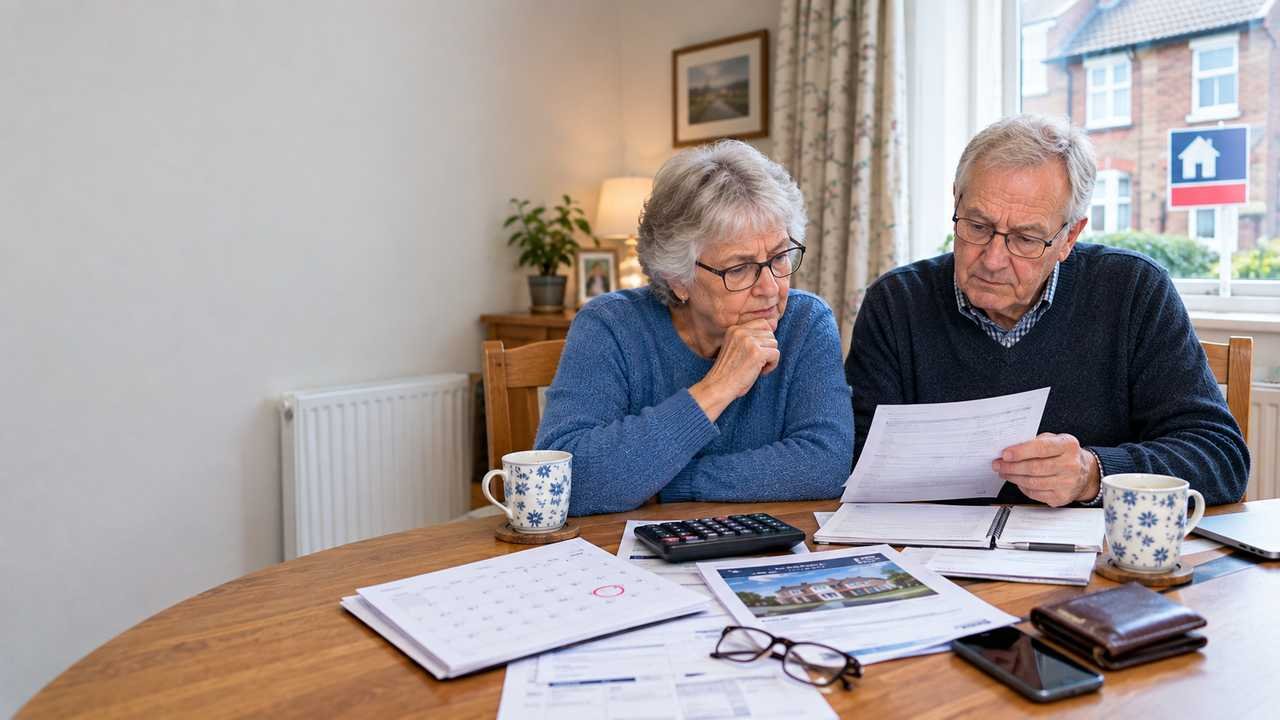
For many people, retirement is supposed to be a time when financial pressures begin to ease. The mortgage has been paid off, children have become independent and regular household expenses are easier to manage on a fixed income. But that picture is changing for a growing number of people across the UK.
More retirees are reaching State Pension age without owning their home outright, and many expect to continue renting for years after they stop working. Financial experts say this shift could have a major impact on retirement budgets, with some long-term renters potentially spending up to £419,000 on rent over the course of their retirement.
The figure has understandably caught attention, but it isn’t a bill that every retiree will face. Instead, it highlights how ongoing housing costs can add up over several decades and why planning ahead has become more important than ever.
Why the £419,000 figure is making headlines
The headline number comes from estimates of what some people could spend on rent if they remain in privately rented accommodation throughout retirement.
Rather than being a fixed amount, it reflects the potential total cost of paying rent over many years, taking into account the likelihood that rental prices may continue to increase over time.
For someone retiring in their mid-60s and renting well into later life, housing could become one of their biggest lifetime expenses.
Of course, not everyone will pay anything close to this amount. Where you live, the type of property you rent and how long you remain in rented accommodation will all influence the final cost.
Retirement is changing for many households
A generation ago, paying off the mortgage before retirement was often considered a key financial milestone. Today, that’s no longer the reality for everyone.
Higher house prices, larger mortgages and years of rising rents mean many people are entering retirement while still renting or making mortgage repayments.
For some, renting offers flexibility and suits their lifestyle. But unlike homeowners who no longer have monthly mortgage payments, tenants usually continue paying rent for the rest of their lives.
That ongoing expense can place extra pressure on retirement income, particularly when living costs are also increasing.
Housing costs don’t disappear after work ends
One of the biggest challenges in retirement is adjusting to a lower income.
Many people move from receiving a monthly salary to relying on the State Pension, workplace pensions, private pensions or savings. While these income sources provide financial security, they are often lower than previous earnings.
If a significant share of that income goes towards rent every month, there is less money available for essentials such as food, heating, transport and healthcare.
Even relatively small annual rent increases can make a noticeable difference over a long retirement.
Everyone’s situation will be different
Although the £419,000 figure sounds alarming, it should be viewed as an example rather than a prediction.
Some retirees live in areas where rents are much lower, while others may downsize or move closer to family to reduce housing costs.
Several factors affect how much someone may spend, including:
- The region they live in.
- Whether they rent privately or through social housing.
- Future rent increases.
- How long they continue renting.
- Any financial support they receive.
For many people, the total cost will be much lower than the headline figure.
Could financial support help?
Depending on personal circumstances, some retirees who rent may qualify for additional financial assistance.
People on lower incomes could be entitled to benefits such as Pension Credit, while others may qualify for help with housing costs or Council Tax, depending on the rules that apply to their situation.
Many pensioners never check because they assume they won’t qualify. However, advisers often encourage people to review their entitlement whenever their income, health or household circumstances change.
Even modest financial support can make a meaningful difference over the course of a year.
Planning ahead can reduce future pressure
Retirement planning isn’t only about building a pension pot. It’s also about understanding what your regular expenses are likely to be once you stop working.
If you expect to continue renting, it may be worth reviewing your budget well before retirement. Looking at expected rent, pension income and everyday living costs together can provide a clearer picture of what your finances may look like in later life.
Some people decide to save more while they’re still working, while others consider downsizing or moving to a more affordable area before retirement.
There isn’t a single solution that works for everyone, but planning early usually provides more options.
Why this warning matters
Housing has become one of the biggest financial challenges facing retirees today. While pension income often receives most of the attention, the cost of keeping a roof over your head can have just as much impact on long-term financial security.
The warning isn’t designed to discourage people from renting. Instead, it’s a reminder that ongoing housing costs should form a central part of any retirement plan.
Understanding how much you may spend over the years can help you make informed decisions while you still have time to prepare.
Final thoughts
The suggestion that some retirees could spend up to £419,000 on rent during retirement highlights how expensive long-term renting can become, particularly if rents continue to rise.
That figure won’t apply to everyone, but it does underline the importance of planning ahead. If you’re approaching retirement without a fully paid-off home, taking time to review your expected housing costs, pension income and any financial support you may be entitled to could help you build a more secure future and avoid unnecessary financial pressure later in life.