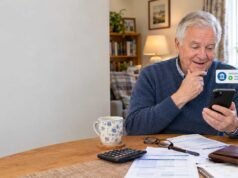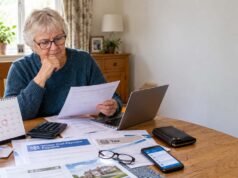






Some pensioners across the UK have reported noticing unexpected payments arriving in their bank accounts, prompting many others to check whether they’ve received the same. While a surprise deposit can be welcome news, it’s important not to assume it is a new government payment or a bonus automatically available to everyone born before 1960.
In many cases, unexpected payments linked to the State Pension happen for perfectly ordinary reasons. They can be the result of an annual pension increase, a backdated entitlement, a correction to a previous payment or another adjustment made by the Department for Work and Pensions (DWP).
If you’ve recently spotted extra money in your account, here’s what could be behind it.
Why are some pensioners seeing extra money?
A payment that wasn’t expected doesn’t always mean a new scheme has been introduced.
The DWP occasionally makes one-off adjustments where someone has been underpaid, where a claim has been updated or where a pension increase has taken effect after an administrative review.
In other cases, pensioners may notice a slightly larger payment because an annual increase has been applied or because a previous payment was delayed and then issued later.
Every situation is different, so the reason depends on the individual’s record.
Does everyone born before 1960 qualify?
No.
The headline refers to people born before 1960 because many in that age group have already reached State Pension age. However, your date of birth alone does not guarantee an extra payment.
Any additional money depends on your own circumstances, including:
- Your National Insurance record.
- The type of State Pension you receive.
- Whether your claim has recently been reviewed.
- Any backdated entitlement.
- Corrections made to previous payments.
Two pensioners of the same age may receive completely different amounts.
What could the payment be?
There are several possible explanations if you’ve received more than usual.
Some pensioners receive:
- A backdated State Pension payment.
- A correction after an underpayment review.
- An increase following annual pension uprating.
- An adjustment linked to a change in personal circumstances.
- A delayed payment that has now been processed.
For that reason, it’s always worth checking the payment reference before assuming it’s a new benefit.
How can you find out what the payment is for?
The easiest place to start is your bank statement.
Many payments include a reference that indicates where the money has come from. If the description isn’t clear, you can compare it with previous State Pension payments or wait for any accompanying letter explaining the adjustment.
If you’re still unsure, contacting the DWP is the best way to confirm exactly why the payment was made.
Could it be a back payment?
Yes, in some cases.
If your State Pension entitlement has been reviewed and it turns out you were previously underpaid, the DWP may issue a back payment covering the amount owed.
These payments vary from person to person. Some are relatively small, while others can be much larger depending on how long the underpayment continued.
That’s one reason why different pensioners report different payment amounts.
What if you haven’t received anything?
Not receiving an unexpected payment doesn’t necessarily mean something is wrong.
Many pensioners will continue receiving their normal State Pension without any changes because there has been no adjustment to their entitlement.
If your payments have always been correct and there have been no recent changes to your claim, your usual payment schedule is likely to continue as normal.
Should you contact the DWP?
If you receive money that you weren’t expecting and you’re unsure why it has been paid, it’s sensible to ask for clarification rather than making assumptions.
Likewise, if you believe your State Pension may have been underpaid in the past or you’ve recently reported a change in circumstances, checking with the DWP can help confirm whether any review is taking place.
Having your National Insurance number and recent payment details available can make the conversation easier.
Why these stories attract attention
Stories about unexpected pension payments spread quickly because many retired households rely on a fixed income.
When one person reports receiving extra money, others naturally wonder whether they’re entitled to the same. In reality, most additional payments are linked to individual circumstances rather than a nationwide payout.
That’s why it’s important to check official information before expecting a similar payment.
Final thoughts
If you’ve noticed an unexpected payment in your bank account, it’s worth checking where it came from before assuming it’s a new State Pension bonus. In many cases, extra payments are linked to routine adjustments, backdated entitlements or annual increases rather than a brand-new scheme.
For pensioners born before 1960, the key point is that date of birth alone doesn’t create an automatic entitlement to extra money. If you’re unsure about a payment you’ve received—or think you may be owed money from a previous underpayment—the safest approach is to review your payment details and contact the DWP for confirmation.