





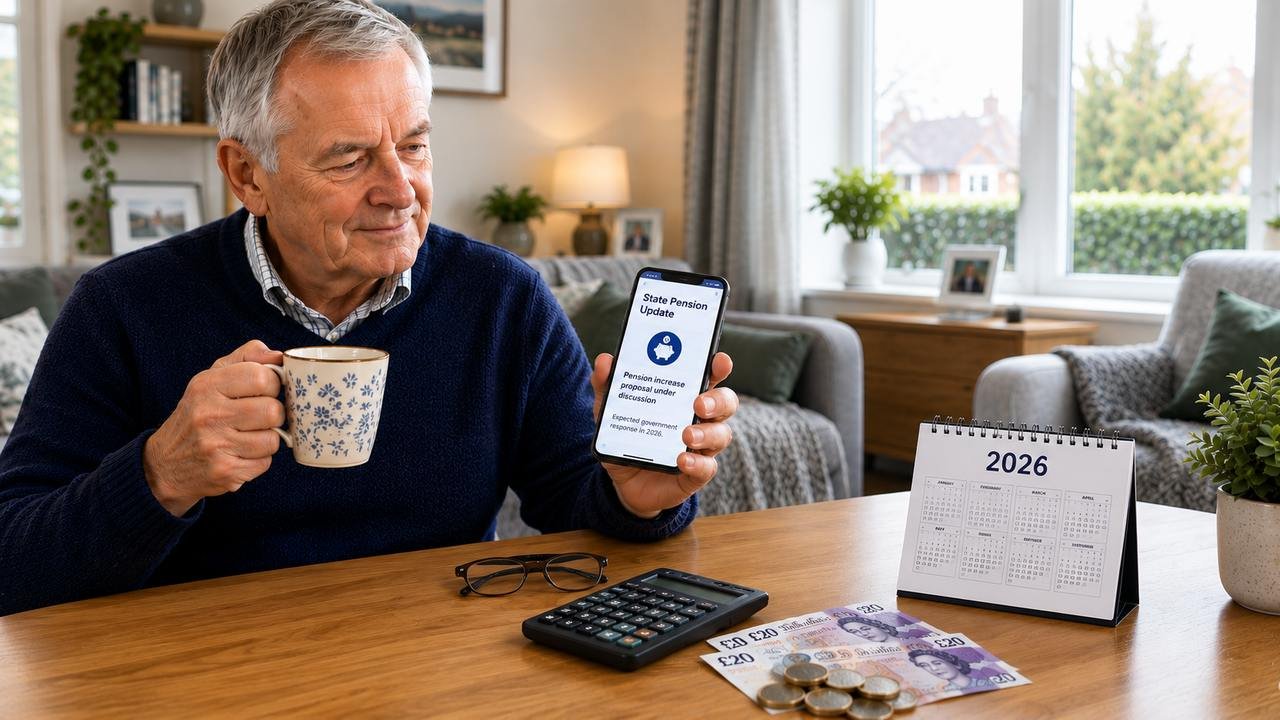
A growing campaign calling for changes to the UK State Pension is attracting fresh attention as campaigners wait for the Department for Work and Pensions (DWP) to respond. At the centre of the debate is a proposal that the full annual State Pension should increase to £14,560, with supporters arguing that the current amount no longer reflects the cost of living faced by many older people.
The campaign has gathered momentum in recent months, with thousands of people backing calls for a higher pension. While no official decision has been made, many pensioners are now watching closely to see whether the government will respond to the proposal or outline any future plans.
Here’s what the campaign is about, why the figure has become so widely discussed and what it could mean for pensioners.
Why is £14,560 being discussed?
The figure of £14,560 a year has become a focal point for campaigners who believe the State Pension should provide a more comfortable standard of living.
Supporters argue that many retired people continue to face rising costs for essentials such as food, energy, housing and transport. They believe increasing the annual pension would better reflect today’s living expenses and help reduce financial pressure on older households.
At this stage, however, the amount is part of a campaign proposal rather than an approved government payment.
What is the campaign asking for?
Campaigners want the government to review the level of the State Pension and consider increasing it to £14,560 a year.
They argue that many pensioners rely heavily on their weekly pension and have limited opportunities to increase their income after retirement. According to supporters, a higher pension could help people meet everyday costs without depending on additional financial support.
The campaign has also encouraged ministers to explain how future pension increases will keep pace with inflation and living costs.
Has the DWP agreed to the proposal?
Not yet.
The Department for Work and Pensions is expected to respond to the campaign, but there has been no announcement confirming that the State Pension will rise to £14,560 a year.
That distinction is important because some headlines have created the impression that the increase has already been approved. In reality, the government has not confirmed any such change.
For now, pensioners should treat the figure as a proposal that is being discussed rather than a guaranteed future payment.
Why has the campaign gained attention?
The campaign comes at a time when many pensioners are still feeling the impact of higher living costs.
Although inflation has eased compared with previous peaks, many retirees continue to spend more on essentials than they did a few years ago. Energy bills, groceries and household expenses remain a significant part of monthly budgets.
For people living mainly on the State Pension, even relatively small increases in everyday costs can have a noticeable impact. That’s one reason why calls for a higher annual pension have attracted widespread support.
Could every pensioner benefit?
If the proposal were ever adopted, eligibility would depend on the government’s final rules.
At the moment, there is no confirmed policy explaining who would receive the higher amount or how it would be introduced.
As with the current State Pension system, any future entitlement would likely continue to depend on factors such as your National Insurance contribution record and the type of State Pension you receive.
What should pensioners do now?
There’s no action to take at this stage.
If you’re already receiving the State Pension, your payments will continue under the current rules unless the government announces official changes.
It’s still worth checking your State Pension forecast and reviewing your National Insurance record from time to time. Doing so can help you understand whether you’re on course to receive your full entitlement and identify any gaps that could affect your pension.
Why headlines can be misleading
Stories about pension increases often attract attention because they involve large sums of money.
However, there’s an important difference between a campaign calling for a change and the government introducing a new policy. Until ministers confirm any changes, figures such as £14,560 should be viewed as proposals rather than guaranteed payments.
Understanding that distinction can help avoid unnecessary confusion.
What happens next?
Campaigners are hoping the DWP will respond to the proposal and explain its position.
That response could include confirmation that the current system will remain unchanged, a commitment to review pension policy or details of any future discussions. Until then, there is no confirmed timetable for introducing a £14,560 annual State Pension.
Any significant changes would normally be announced officially before they take effect.
Final thoughts
The campaign calling for a £14,560 annual State Pension has clearly struck a chord with many pensioners who are concerned about the rising cost of living. While the proposal continues to gain attention, it is important to remember that it has not been approved by the government, and the DWP has not announced plans to introduce it.
For now, pensioners should rely on official updates rather than speculation. If the government decides to change State Pension rates or introduce new support, those details will be confirmed through formal announcements. Until then, the £14,560 figure remains a campaign goal rather than an agreed increase.