






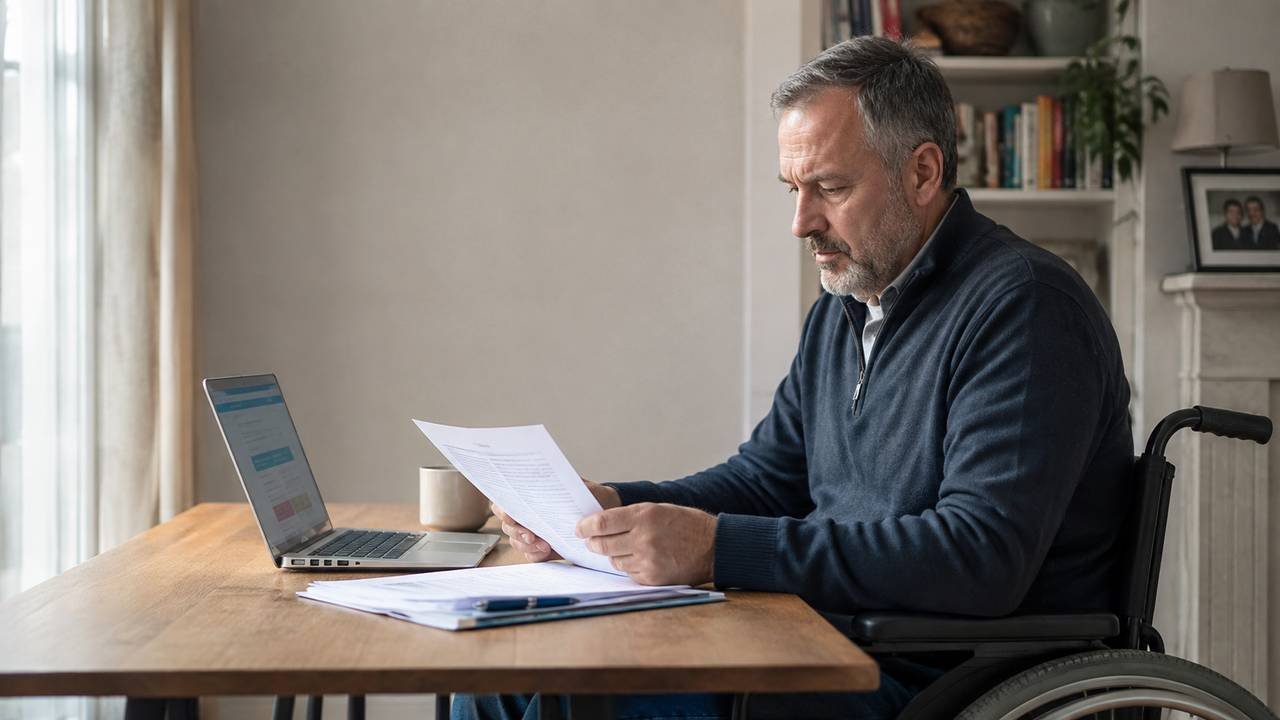
For anyone receiving Personal Independence Payment (PIP), letters from the Department for Work and Pensions (DWP) can often bring a sense of uncertainty. Over the past few months, growing discussion around possible rule changes has left many claimants wondering whether their payments, future reviews or eligibility could be affected.
The reality is that not every claimant will see an immediate change. However, anyone who currently receives PIP, is waiting for a decision or expects their claim to be reviewed should understand what the latest changes involve and how they could affect future assessments.
Here’s a closer look at what the proposed changes mean and why they matter.
Why are the rules changing?
The DWP regularly reviews the way disability benefits are assessed to make sure the system reflects current legislation and guidance. Some updates relate to how evidence is considered, while others focus on the assessment process itself.
The latest changes are not about replacing PIP or introducing a completely new benefit. Instead, they are intended to influence how certain claims are reviewed and how decisions are reached in future cases.
For many claimants, day-to-day payments will continue exactly as before unless their circumstances change or their award comes up for review.
Who could be affected?
The changes are most likely to affect people who:
- Are making a brand-new PIP claim.
- Have a scheduled award review approaching.
- Report a change in their health condition.
- Ask the DWP to look at their claim again because their condition has worsened.
If your current award is not due for review, you may not notice any immediate difference.
Does this mean payments will stop?
This is probably the biggest misunderstanding.
Seeing headlines about “rule changes” doesn’t automatically mean benefits are being removed or reduced.
Most existing awards remain in place until the DWP reviews them. If your circumstances haven’t changed, your payments usually continue as normal.
Any future decision will still be based on your individual circumstances rather than a general policy affecting everyone.
How PIP decisions are made
Many people believe PIP is awarded because of a medical diagnosis. In reality, that’s only part of the picture.
Decision-makers look at how your condition affects everyday life.
They consider whether you have difficulty with activities such as:
- Preparing meals.
- Washing and dressing.
- Managing medication.
- Communicating with others.
- Moving around safely.
- Planning or following journeys.
Two people with exactly the same condition can receive different awards because the impact on their daily lives may be very different.
Reviews remain an important part of the process
If your award is coming to an end, the DWP will usually contact you before anything changes.
You’ll normally be asked whether your condition has improved, stayed the same or become worse. In some cases, you may be asked to provide updated medical evidence or complete another assessment.
Receiving a review form should not be seen as a sign that your benefit is ending. Reviews are a routine part of the PIP system and help ensure awards continue to reflect a claimant’s needs.
Good evidence can make a difference
One of the strongest parts of any PIP claim is clear evidence showing how your condition affects daily life.
Medical letters from your GP or consultant are useful, but practical examples often carry just as much weight.
For example, explaining why pain prevents you from preparing a meal safely or why anxiety makes unfamiliar journeys difficult can give decision-makers a much clearer picture than simply listing a diagnosis.
Keeping copies of hospital letters, prescriptions and treatment plans can also help if your claim is reviewed in the future.
Can you still work and receive PIP?
Yes.
This is another area where confusion often arises.
PIP is not based on income or employment status. Many claimants continue working while receiving the benefit because it is intended to help with the additional costs of living with a disability or long-term health condition.
Whether you work full-time, part-time or not at all does not automatically determine whether you qualify.
Instead, the focus remains on how your condition affects your daily living and mobility.
What should claimants do now?
There’s no need to panic simply because new rules are being discussed.
If you currently receive PIP, the best approach is to stay organised.
Read any letters from the DWP carefully, keep your contact details up to date and report any significant changes in your health when required.
If your award review is approaching, gathering medical evidence early and explaining how your condition affects everyday life can help make the process smoother.
Why the headlines can sound alarming
Stories about disability benefits often focus on the biggest possible impact, which can make routine policy updates appear more dramatic than they really are.
In practice, many claimants won’t notice any immediate change. The latest developments are mainly about how future decisions and reviews are handled rather than automatically changing every existing award.
Understanding the difference between a policy update and an immediate benefit change can help avoid unnecessary worry.
Final thoughts
The latest PIP rule changes have understandably raised questions, but they do not mean every claimant will lose support or have their payments reduced overnight. For most people, life will continue as normal until their claim is reviewed or their circumstances change.
If you receive PIP, staying informed and keeping your medical information up to date is the best way to prepare for any future review. Knowing how the assessment process works—and understanding that decisions are based on the impact of your condition rather than its name—can make the system much easier to navigate and help ensure you’re receiving the support you’re entitled to.