






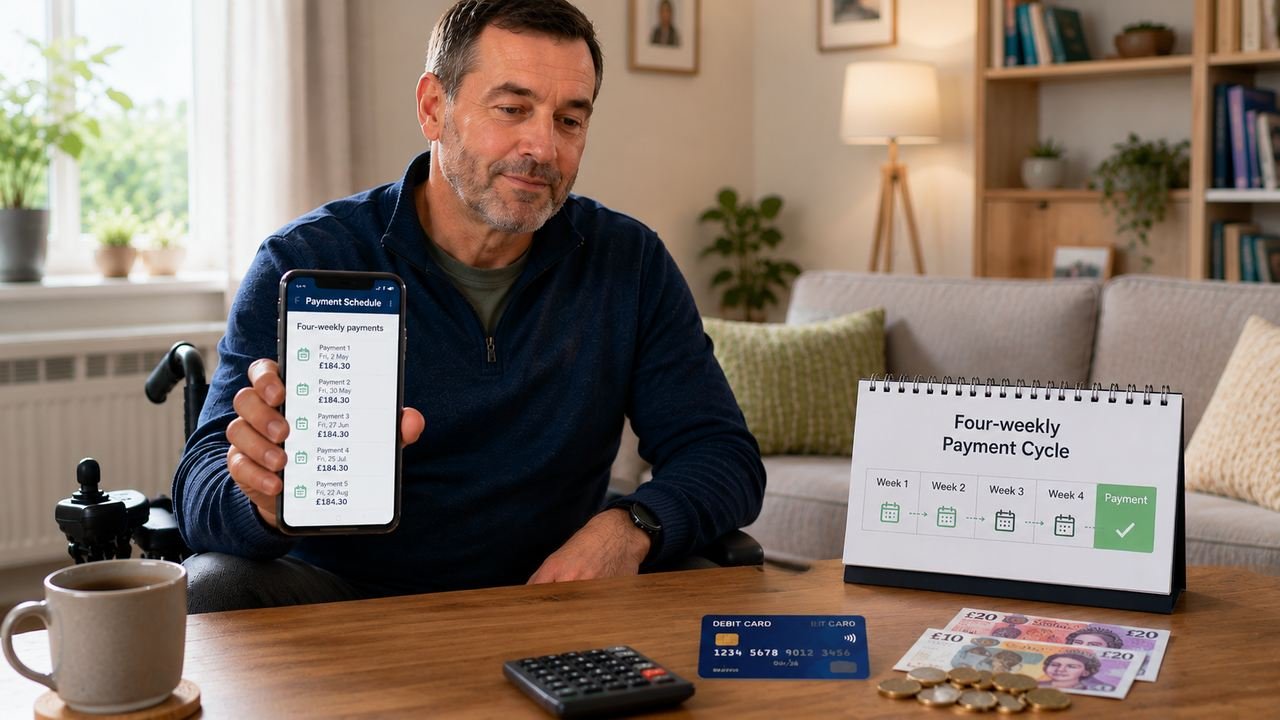
For many people living with a long-term illness or disability, Personal Independence Payment (PIP) can make a real difference to everyday life. The benefit is designed to help with the extra costs that often come with managing a health condition, whether that’s paying for transport, specialist equipment or additional support at home.
One part of the PIP system that often causes confusion is how long an award lasts. While some claims are reviewed after a relatively short period, others are awarded for much longer. In some cases, eligible claimants may receive a five-year award, allowing payments to continue for several years before a formal review is due.
Depending on the level of support awarded, some people can receive up to £778.40 every four weeks, making it one of the most significant disability-related benefits available through the Department for Work and Pensions (DWP).
What is a five-year PIP award?
When a PIP claim is approved, the DWP decides both the amount payable and how long the award should last.
A five-year award doesn’t mean your claim is permanent. It simply means the DWP believes your condition is unlikely to change significantly during that period. Instead of asking you to complete regular reassessments every year, your claim is reviewed at a later date.
For many people with long-term or lifelong conditions, this can provide peace of mind because they know their payments are expected to continue without frequent reviews.
How much could you receive?
PIP is made up of two separate components:
- Daily Living
- Mobility
Each component has a Standard Rate and an Enhanced Rate. The amount you receive depends on how your condition affects your ability to manage everyday tasks and move around safely.
Claimants awarded the enhanced rate for both components can receive up to £778.40 every four weeks. Payments are normally made directly into a bank account every four weeks and are tax-free.
The money isn’t ring-fenced, meaning you can spend it in the way that best suits your needs.
Who can qualify for PIP?
A common misunderstanding is that PIP is awarded because of a particular medical diagnosis.
That’s not how the system works.
Instead, the DWP looks at how your health condition affects your daily life. Two people with the same illness can receive different decisions because their circumstances are different.
You may qualify if you regularly struggle with tasks such as preparing meals, washing, dressing, managing medication, communicating, planning journeys or moving around safely.
The assessment is based on how your condition affects you most of the time, rather than on occasional good or bad days.
Working doesn’t automatically stop your claim
Many people assume they can’t receive PIP if they have a job.
That’s another common myth.
PIP isn’t means-tested, so your income, savings or employment status don’t automatically affect your entitlement. Some claimants work full-time, others part-time, while many are unable to work because of their condition.
The benefit is intended to help with the extra costs of disability rather than replace earnings.
Why some awards last longer than others
Not every claimant receives the same award length.
If medical evidence suggests your condition is stable and unlikely to improve in the near future, the DWP may decide that a longer award is appropriate. This reduces the need for repeated reassessments and provides greater certainty for the claimant.
Where a condition is expected to improve or change over time, the review period may be shorter.
What happens when the award is due for review?
Receiving a five-year award doesn’t mean your payments suddenly stop after five years.
Before the award ends, the DWP usually contacts claimants to begin the review process. You’ll normally be asked whether your circumstances have changed and may need to provide updated medical information.
Many people continue receiving payments while the review is being completed, although every case is assessed individually.
Evidence can make a difference
A strong PIP application isn’t simply a list of medical conditions.
The most helpful claims explain how those conditions affect everyday life. Medical letters, consultant reports, hospital records and details of treatment can all support an application, but practical examples are just as important.
Explaining why you struggle to prepare food safely, walk certain distances or manage daily activities often gives decision-makers a much clearer picture than naming a diagnosis alone.
Why some people never apply
Advice organisations regularly say that many eligible people never claim PIP because they assume they won’t qualify.
Some believe they’re “not disabled enough”, while others think the benefit is only for wheelchair users or people receiving full-time care.
In reality, PIP is available to people with a wide range of physical and mental health conditions. The key question is how those conditions affect everyday living, not whether they are visible to other people.
Final thoughts
Personal Independence Payment continues to provide valuable financial support for people whose health conditions make everyday life more challenging. For those awarded both enhanced components, payments can reach up to £778.40 every four weeks, and some claimants may receive awards lasting five years before a review is needed.
If your condition affects daily activities or mobility on a regular basis, it may be worth checking the latest eligibility guidance. Understanding how PIP works—and how award lengths are decided—can help you make an informed decision about whether you may be entitled to support.