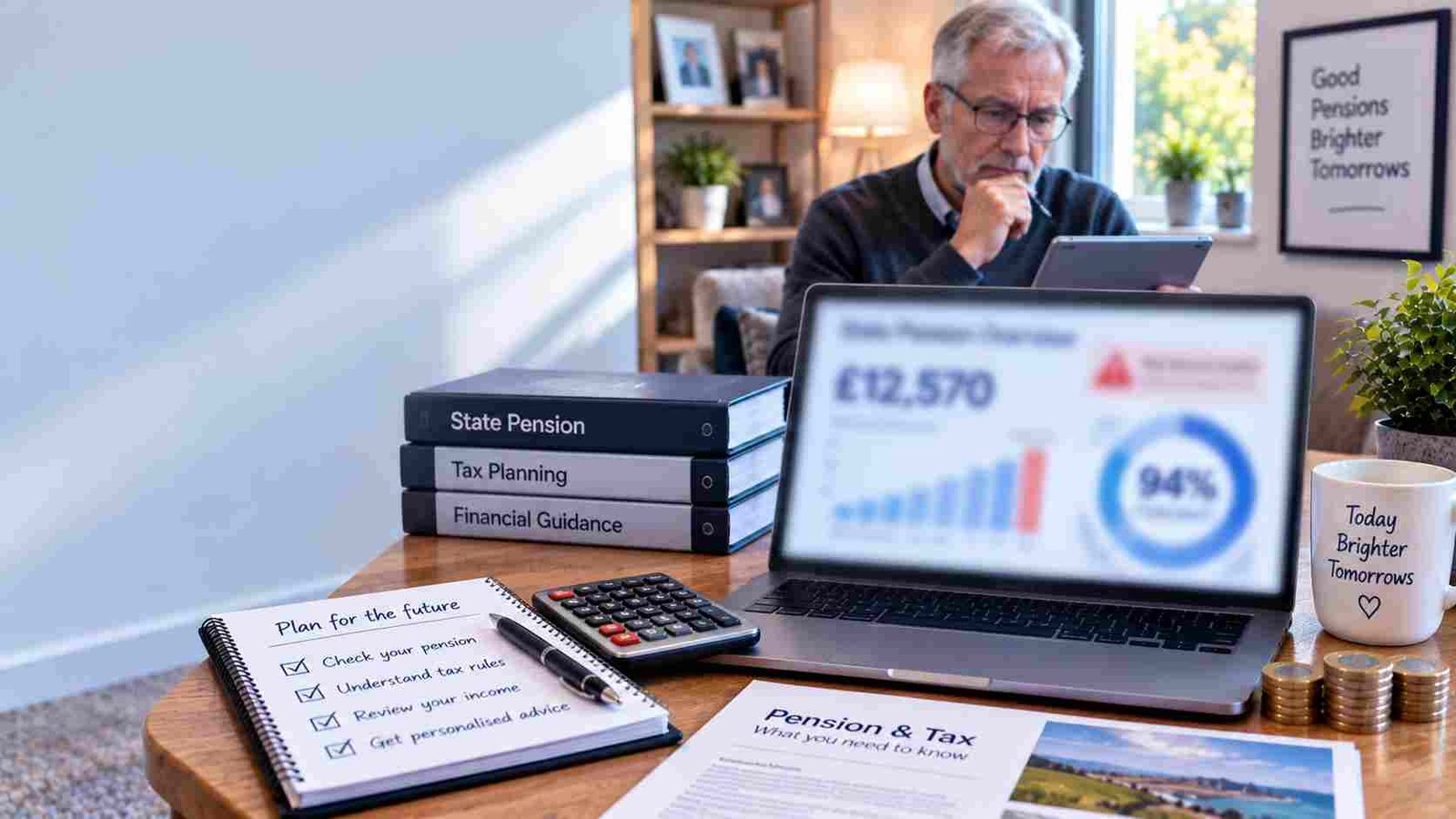
Millions of retirees across the UK are being urged to review their retirement income after fresh projections suggested the New State Pension could move closer to, or even exceed, the current £12,570 Personal Allowance. If that happens, a growing number of pensioners may find themselves paying Income Tax for the first time.
Reports claiming that 94% of pensioners could face a new tax bill have attracted widespread attention. However, the figure should be viewed in context. It does not mean that every pensioner will receive a tax demand or that a new tax has been introduced. Instead, it reflects projections based on rising State Pension payments and frozen tax thresholds.
Here’s what the latest update means and how it could affect retirees.
Why Is the £12,570 Threshold Important?
The £12,570 Personal Allowance is the amount most people can earn before paying Income Tax. If total annual income goes above this threshold, tax may become payable on the amount above it.
The State Pension itself is taxable, although it is usually paid without tax being deducted. If your combined income exceeds the Personal Allowance, HM Revenue and Customs (HMRC) may collect any tax due through another pension, PAYE tax code or Self Assessment, depending on your circumstances.
Why Are More Pensioners Being Drawn Into Tax?
The annual increase in the State Pension is linked to the Triple Lock, which guarantees that payments rise by the highest of:
- Average earnings growth
- Inflation
- 2.5%
While these increases help protect pensioners against rising living costs, the Personal Allowance has remained frozen for several years. As pension income rises but tax thresholds stay the same, more retirees could become liable for Income Tax.
Economists often refer to this as “fiscal drag”, where higher incomes gradually move more people into the tax system without tax rates changing.
Does the ‘94%’ Figure Apply to Everyone?
No.
The widely reported 94% figure is based on projections about how many people receiving the full New State Pension could eventually have taxable income if current trends continue.
Whether you actually pay tax depends on your total annual income, not just your State Pension.
If your only income is below the Personal Allowance, you may not have any Income Tax to pay.
Who Is Most Likely to Be Affected?
You could be more likely to pay Income Tax if you receive:
- The full New State Pension.
- A workplace pension.
- A private pension.
- Income from part-time work.
- Rental income or investment returns.
- Other taxable earnings.
The more sources of income you have, the greater the chance your total income could exceed the tax-free allowance.
Is This a New Tax?
No.
There has been no announcement of a new tax specifically targeting State Pensioners.
The discussion relates to existing Income Tax rules and how they interact with rising pension payments. If your income exceeds the current tax-free allowance, the normal Income Tax rules apply in the same way they do for other taxpayers.
What Should Pensioners Do?
Although there is no immediate action required for most retirees, it’s sensible to review your finances if you expect your income to increase.
You may want to:
- Check your latest State Pension forecast.
- Review workplace or private pension income.
- Make sure your HMRC tax code is correct.
- Keep an eye on future Government announcements about tax thresholds and State Pension rates.
- Seek independent financial or tax advice if you have multiple income sources.
Being aware of your total income can help you avoid unexpected tax bills later.
Why the Debate Matters
The issue has become increasingly important because each annual State Pension increase brings more retirees closer to the Personal Allowance.
Supporters of maintaining the Triple Lock argue it protects older people from inflation and rising living costs. Others believe frozen tax thresholds mean part of those increases could be offset by higher tax liabilities for some pensioners.
The Government is expected to confirm future State Pension rates and tax measures in upcoming fiscal announcements.
Final Thoughts
The latest £12,570 State Pension update highlights an important issue for retirees, but it should not cause unnecessary alarm. Reports suggesting 94% could face a new tax bill are based on forecasts rather than confirmed tax changes, and they do not mean every pensioner will pay more tax.
Whether you are affected depends on your total taxable income, not your State Pension alone. Reviewing your retirement income, checking your HMRC records and staying informed about future Government announcements can help you understand your tax position and plan ahead with confidence.