



Many UK pensioners will be watching their bank accounts closely as Winter Fuel Payments are made to eligible households ahead of the colder months.
For some households, the payment can be worth up to £300, depending on individual circumstances and the age of the people receiving it. The timing of payments is also an important question, particularly for pensioners who rely on the money to help with heating and other household costs during winter.
The Winter Fuel Payment is designed to provide financial support with energy bills during the colder part of the year. However, not everyone will receive the same amount, and eligibility rules can determine both whether a person qualifies and how much they receive.
Here is what pensioners need to know about when the money could arrive, who may qualify and what to do if an expected payment does not appear in a bank account.
When Could the £300 Winter Fuel Payment Arrive?
Winter Fuel Payments are normally made automatically to people who meet the eligibility conditions and do not usually need to make a separate claim.
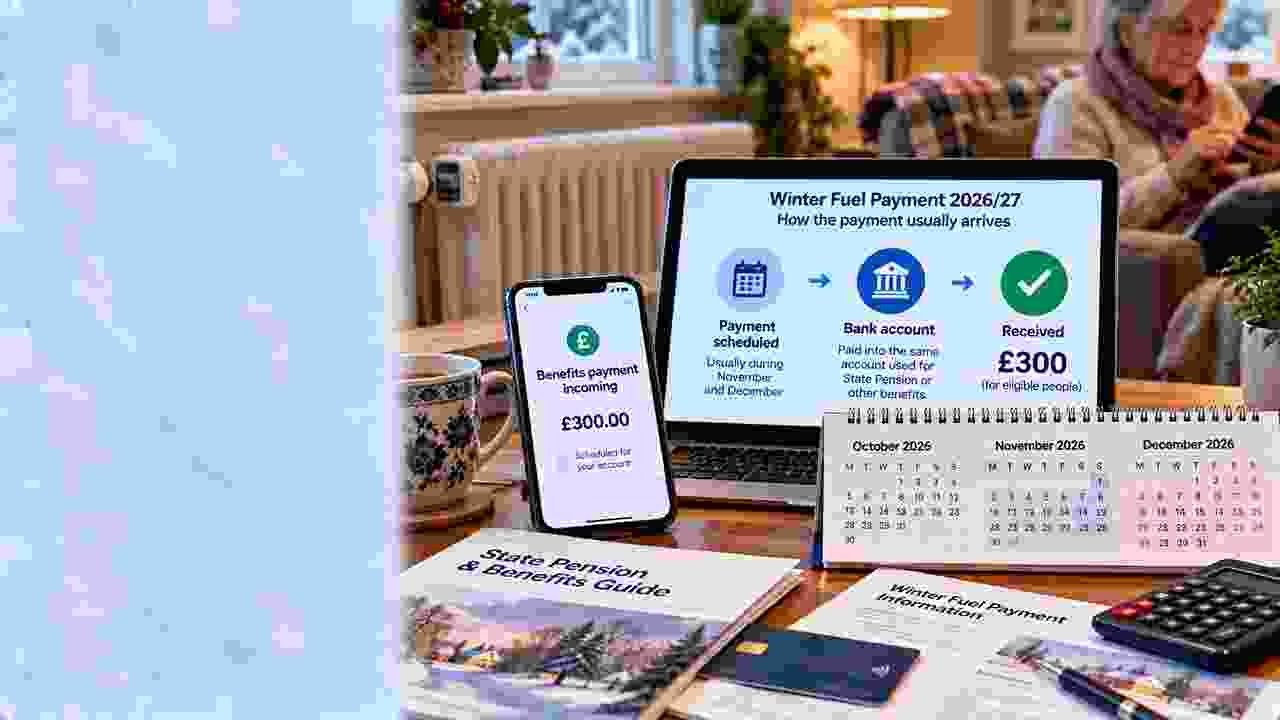
Payments are generally made during the winter period rather than on one single date for every household. This means two eligible pensioners can receive their money at different times.
For households expecting a payment of up to £300, the exact date it reaches a bank account can depend on individual circumstances and the payment schedule used by the Department for Work and Pensions.
Pensioners should therefore avoid assuming that everyone will receive the money on the same day.
Why Payment Dates Can Be Different
There are several reasons why Winter Fuel Payments may arrive at different times.
The payment system needs to identify eligible people and process individual payments. Where a person receives a qualifying benefit, the relevant records can also be used to determine eligibility.
Bank processing can then affect when the payment becomes visible in an account.
As a result, an eligible household may see its Winter Fuel Payment arrive before or after a neighbour or family member, even when both people appear to qualify.
How Much Could Pensioners Receive?
The amount of Winter Fuel Payment is not necessarily £300 for every eligible person.
The amount can depend on factors including age, household circumstances and the rules applying to the relevant winter period.
This is why pensioners should check their individual circumstances instead of assuming that the headline £300 figure will automatically apply to them.
For some eligible households, the payment can be lower or higher depending on the applicable rules.
Who Could Qualify for Winter Fuel Payment?
Eligibility is based on the rules applying to the relevant winter period.
A person generally needs to have reached the relevant State Pension age during the qualifying period and have been living in the UK or meet the applicable overseas conditions.
However, reaching State Pension age alone does not necessarily mean that everyone will receive a payment.
Changes to eligibility rules in recent years mean pensioners should check the latest official requirements carefully.
Is the Payment Automatic?
For many people who qualify, the Winter Fuel Payment is made automatically.
This is particularly important because pensioners who have previously received the payment may expect the money to simply appear in their bank account.
However, there are circumstances where someone may need to make a claim.
Anyone who believes they qualify but does not receive a payment should check the latest guidance rather than assuming the payment has been cancelled.
What If the Money Has Not Arrived?
If a pensioner expects a Winter Fuel Payment but cannot see it in their bank account, there is no need to panic immediately.
Payments are not necessarily made to everyone on the same day.
The first step is to check the bank account carefully and look for a payment from the relevant government department.
Pensioners should also check whether their personal circumstances have changed, particularly if they have moved home, changed bank details or experienced a change in their benefit circumstances.
If the payment still does not arrive after the relevant payment period, the person should contact the appropriate government service for assistance.
Check Your Bank Details
One of the simplest things pensioners can check is whether the government has the correct bank details.
If a bank account has recently been closed or changed, a payment could potentially be delayed or require further action.
Keeping personal and payment information up to date can help avoid unnecessary problems.
Pensioners should also be cautious about messages claiming to offer a Winter Fuel Payment while asking for bank details through an unfamiliar website.
Beware of Winter Fuel Payment Scams
The arrival of a seasonal government payment can create opportunities for scammers.
Pensioners may receive fake emails, text messages or phone calls claiming that they need to provide bank information to receive their Winter Fuel Payment.
People should be particularly careful with unexpected messages asking for passwords, full banking information or payments.
Official government communications should be checked through trusted government channels rather than clicking suspicious links.
Does Everyone Get £300?
No.
The £300 figure should not be treated as a guaranteed payment for every pensioner.
The amount depends on the rules and the individual’s circumstances. Some households may qualify for a different amount.
This is particularly important when reading social media posts or headlines that suggest every pensioner will automatically receive £300.
Checking the official eligibility rules is the safest way to find out what someone could receive.
What Pensioners Should Do Now
Anyone expecting a Winter Fuel Payment can take a few simple steps.
First, check whether they meet the eligibility conditions for the relevant winter period.
Next, make sure their personal and bank information is up to date.
It is also worth checking regular bank statements during the expected payment period rather than relying on a single specific date.
If the payment does not arrive when expected, pensioners should use official government contact information to find out whether a payment has been issued or whether further action is required.
Could the Payment Help With Winter Bills?
For households on a tight budget, a Winter Fuel Payment can provide useful support during the colder months.
Heating costs can become a significant expense during winter, particularly for older households that may need to keep their homes warm for longer periods.
A payment of up to £300 could therefore make a meaningful difference to household finances, although the amount received varies between eligible households.
Pensioners should remember that the Winter Fuel Payment is intended as support towards winter heating costs and should not be confused with other benefits or energy-support schemes.
Final Check Before Expecting the Money
The key message for pensioners is that there is not one universal bank-payment date for everyone.
Eligible households may receive their Winter Fuel Payment at different times, and the amount can depend on their circumstances.
Anyone expecting up to £300 should keep an eye on their bank account, check their eligibility and make sure their payment details are correct.
If the money does not arrive within the expected payment period, checking the latest official guidance and contacting the relevant government service is the best next step.
Important: Winter Fuel Payment rules and amounts can change between winter periods, so pensioners should always check the latest official guidance before relying on a particular payment amount or date.