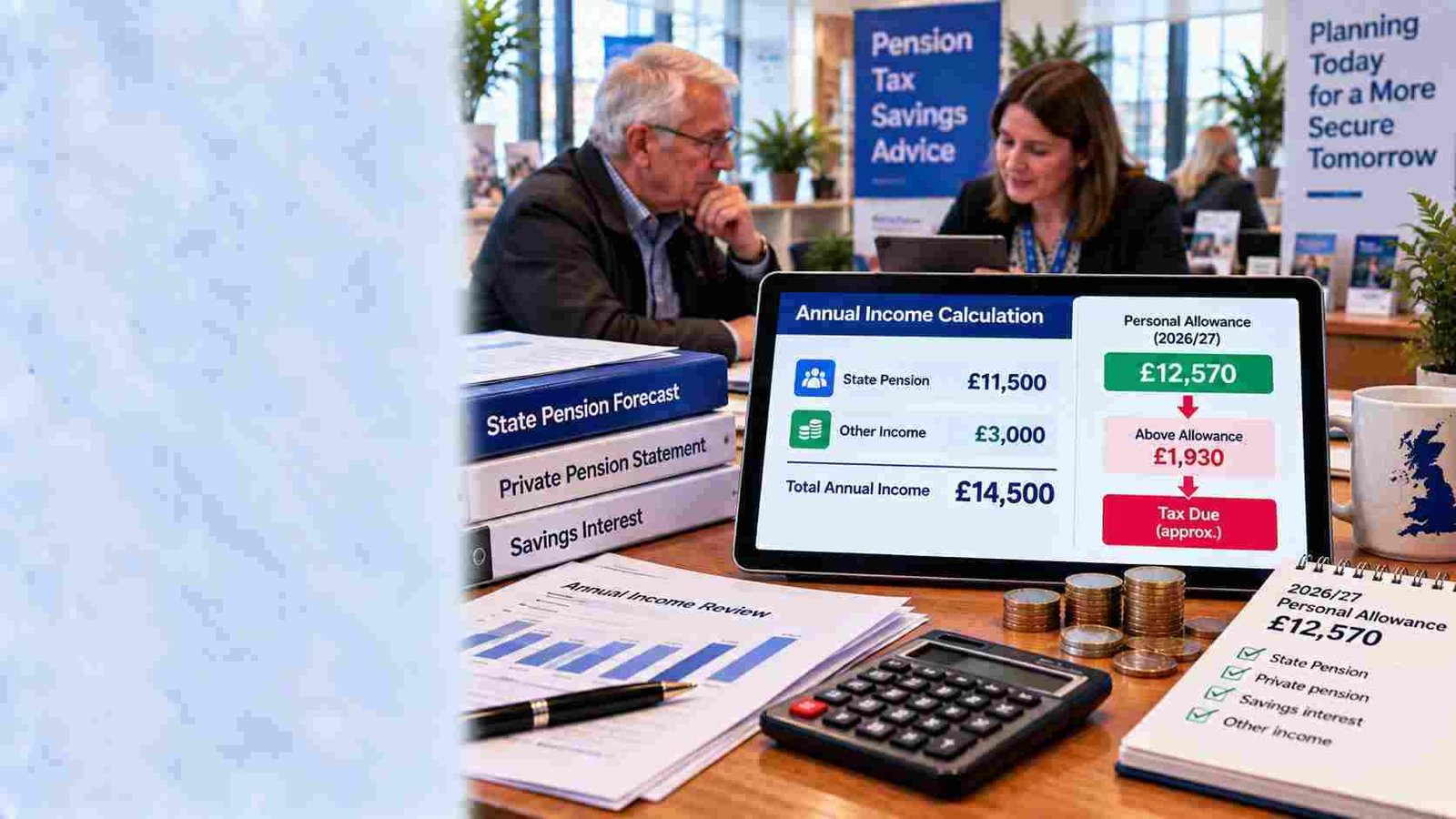
Millions of State Pensioners across the UK are being reminded to keep a close eye on their annual taxable income, as exceeding certain thresholds could result in an unexpected HMRC tax bill.
With the State Pension, workplace pensions and other taxable income all counting towards your annual earnings, some retirees may find themselves liable for Income Tax even if they have never paid tax on their pension before.
Here’s what pensioners need to know and who could be affected.
Why Could State Pensioners Receive an HMRC Tax Bill?
Although the State Pension is taxable, tax is not usually deducted before it is paid. Instead, HM Revenue and Customs (HMRC) calculates whether you owe tax based on your total taxable income during the tax year.
If your combined income exceeds your available Personal Allowance, you may be required to pay Income Tax on the amount above the threshold.
This can sometimes result in a tax bill if too little tax has been collected during the year.
What Counts Towards Your Annual Income?
HMRC may consider several sources of taxable income, including:
- State Pension payments.
- Workplace pensions.
- Private pensions.
- Employment income.
- Rental income (where applicable).
- Certain taxable benefits and investments.
The total amount from these sources determines whether Income Tax is due.
Who Could Be Affected?
You may be more likely to receive a tax bill if you:
- Receive both a State Pension and a workplace pension.
- Have additional income from employment or self-employment.
- Draw money from private pensions.
- Have investment or rental income.
- Experienced changes to your income during the tax year.
Not every pensioner will receive a tax bill, as it depends on individual circumstances.
How Does HMRC Collect the Tax?
If tax is owed, HMRC may:
- Adjust your tax code.
- Send you a tax calculation.
- Ask you to pay the outstanding amount directly.
- Collect underpaid tax over a future tax year in some cases.
The method used depends on your personal tax situation.
What Should Pensioners Do?
To reduce the risk of unexpected tax bills, it is worth:
- Checking your annual income regularly.
- Reviewing your HMRC tax code.
- Keeping HMRC informed of changes to your income.
- Reading tax notices and pension statements carefully.
- Contacting HMRC if you believe a calculation is incorrect.
Taking these steps can help ensure the correct amount of tax is collected throughout the year.
What If You Think the Tax Bill Is Wrong?
If you receive a tax bill that you believe is incorrect, you should:
- Compare the figures with your pension and income records.
- Check whether HMRC has the correct information.
- Contact HMRC to request an explanation if needed.
- Keep copies of all correspondence and supporting documents.
Errors can sometimes occur if income details have not been updated promptly.
Beware of HMRC Tax Scams
Fraudsters often use headlines about tax bills to target pensioners with fake emails, text messages and phone calls.
HMRC will never ask you to make an immediate payment through an unexpected message or reveal sensitive banking details via text or email. Always use official HMRC contact channels if you need to verify a tax demand.
Final Thoughts
The latest HMRC tax bill warning highlights the importance of understanding how your annual taxable income is calculated after retirement. While many State Pensioners will not owe additional tax, those with multiple income sources could face an unexpected bill if their total income exceeds the relevant tax thresholds.
Regularly reviewing your income, checking your tax code and keeping your records up to date can help you avoid surprises and ensure you pay the correct amount of tax.